PLANT A TREE, NURTURE A FUTURE: HOW COMMUNITIES IN RUSIZI ARE RESTORING THEIR LANDSCAPE, ONE TREE AT A TIME
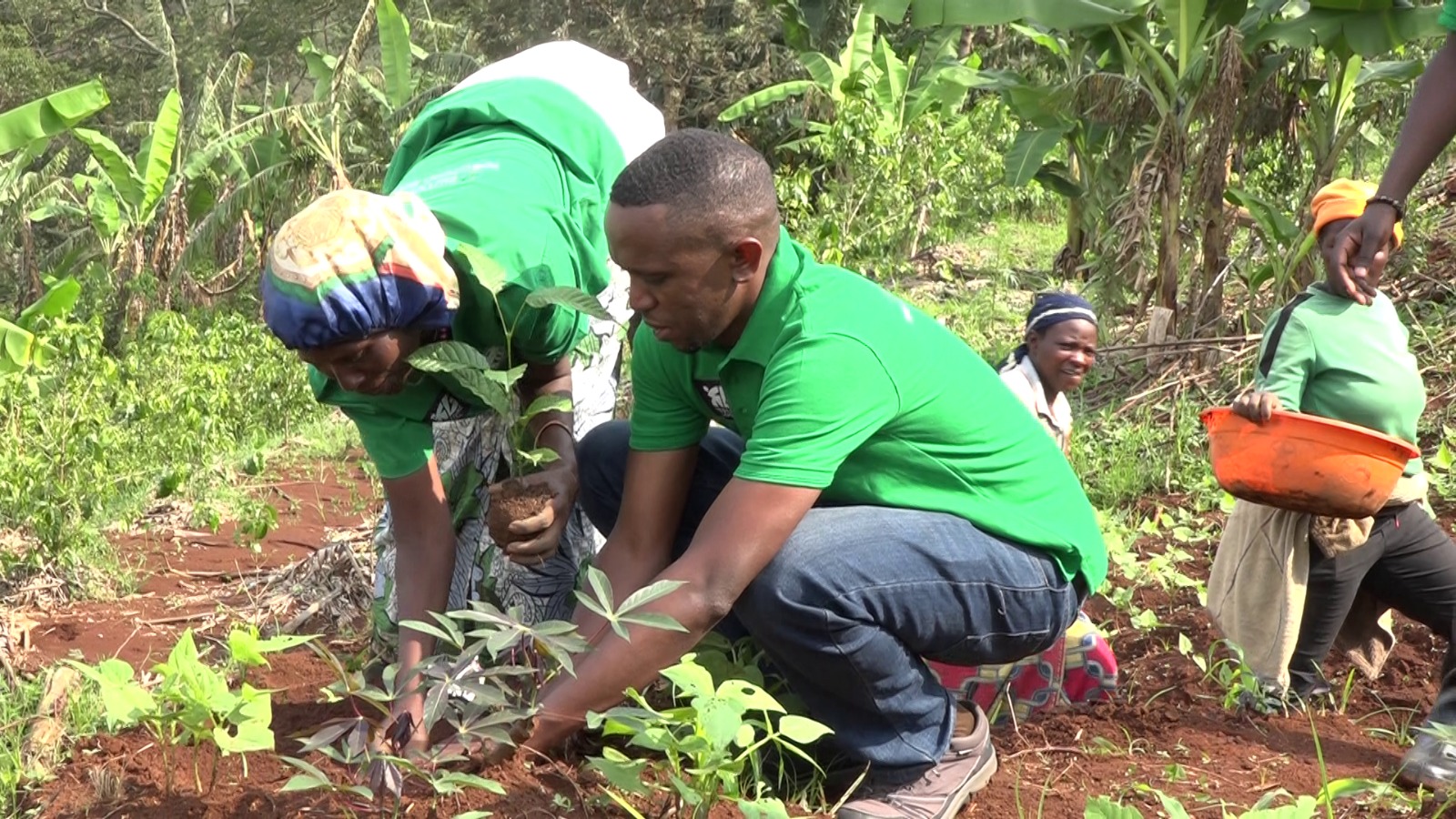
A RESTORATION JOURNEY WITH A COMMUNITY AT ITS HEART
The project has an ambitious vision: to restore 280 hectares of land, engage more than 560 farmers, and establish 115,071 trees representing different agroforestry species. These trees are expected to contribute to improved soil fertility, reduced erosion, increased biodiversity, enhanced climate resilience, and diversified household income. But achieving these benefits requires more than distributing seedlings and organizing planting activities. It requires farmers to become active custodians of the trees they plant. For this reason, community participation and ownership remain central to the restoration approach. Farmers are not simply beneficiaries of the initiative. They are the people entrusted with protecting the seedlings, monitoring their growth, replacing those that do not survive, and ensuring that restoration becomes part of their everyday agricultural practices.TURNING CHALLENGES INTO PROGRESS
Restoring a landscape is not always a straightforward journey. Weather conditions, particularly rainfall patterns, can influence the timing and pace of planting activities. Despite some delays caused by challenging rainfall conditions, planting has continued in Mururu and Nyakarenzo. So far, 47,022 agroforestry trees have been planted, representing an important step towards the project's overall target of 115,071 trees. And the work is far from over. Tree planting remains ongoing, with implementation teams and community members continuing their efforts to reach the project's restoration targets. Every seedling planted brings the landscape one step closer to recovery.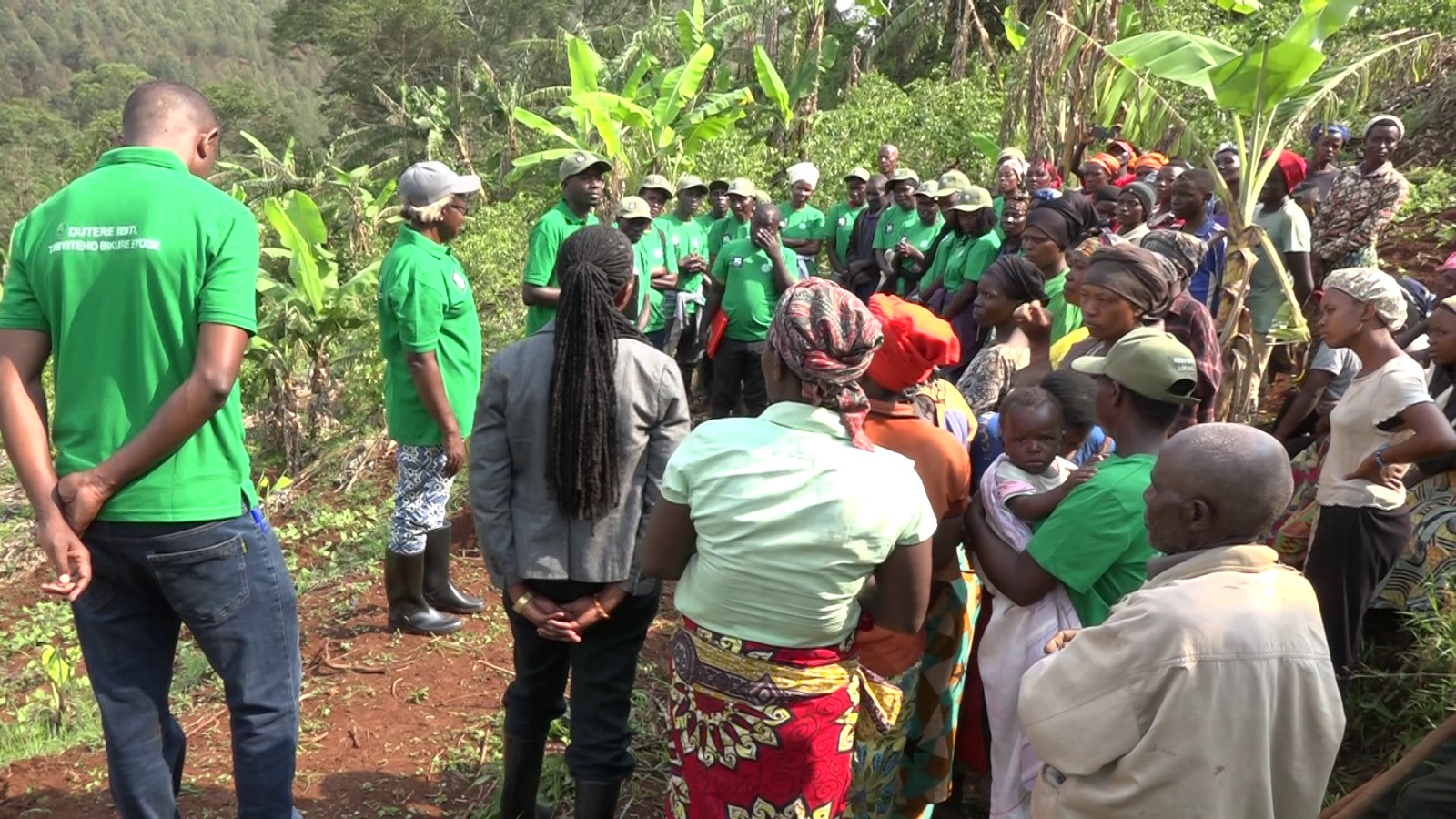
FROM PLANTING TO PROTECTION: THE REAL WORK BEGINS
A successful restoration initiative is not measured only by the number of trees planted. Its real success lies in how many trees survive, grow, and deliver lasting benefits. This is why the project emphasizes the importance of aftercare, including watering where necessary, mulching, protecting seedlings from livestock and other damage, controlling competing vegetation, and replacing dead seedlings. Through these practices, farmers are encouraged to see each tree as a long-term investment in their land and livelihoods. An established agroforestry system can provide multiple benefits: improving soil structure, reducing runoff, protecting farmland, supporting biodiversity, and producing valuable fruits and other products that can contribute to household income.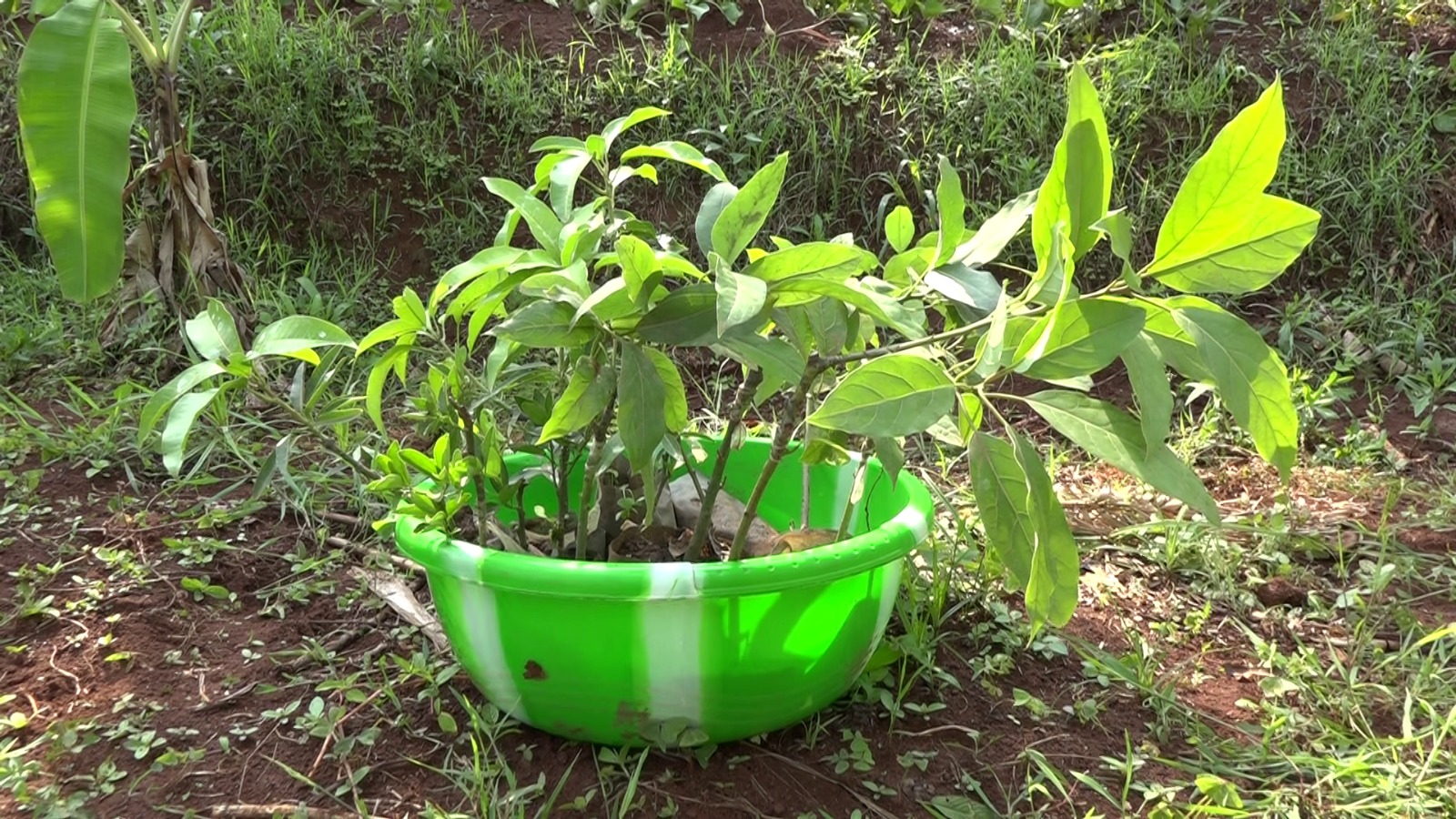
STRONG PARTNERSHIPS, ONE SHARED VISION
Landscape restoration requires collective action. No single organization or institution can achieve lasting environmental transformation alone. The initiative brings together the Initiative pour la Promotion de la Famille et du Genre (IPFG), Rusizi District, VIA Foundation, FESD, APEFA, and YALTA, whose collaboration demonstrates the importance of partnerships in advancing community-led environmental restoration. The project is implemented under the Restore Local Program, with support from the World Resources Institute (WRI) and its partners. By combining community leadership, technical expertise, institutional collaboration, and development support, these partners are working towards a common objective: restoring degraded landscapes while creating opportunities for more resilient and sustainable livelihoods.A GREENER LANDSCAPE, A MORE RESILIENT FUTURE
The RIL Project is part of a six-year commitment to environmental restoration and community development. Its ambition goes beyond achieving tree-planting targets. It seeks to establish a lasting connection between environmental conservation and the economic well-being of local communities. For farmers, this means productive landscapes, improved agricultural practices, and opportunities to diversify income. For the environment, it means healthier soils, improved water catchment protection, increased tree cover, and greater resilience to climate-related challenges. For future generations, it means inheriting a landscape that is better protected, more productive, and capable of supporting life. At IPFG, we believe that restoration does not end when a tree is planted; it begins when a community commits to helping it grow. Every seedling deserves a chance to survive. Every farmer has a role to play. Every partnership contributes to a stronger future. 💚 47,022 trees planted. 280 hectares targeted. More than 560 farmers expected to benefit. One shared commitment to a greener future. Together, let us plant, nurture, protect, and grow!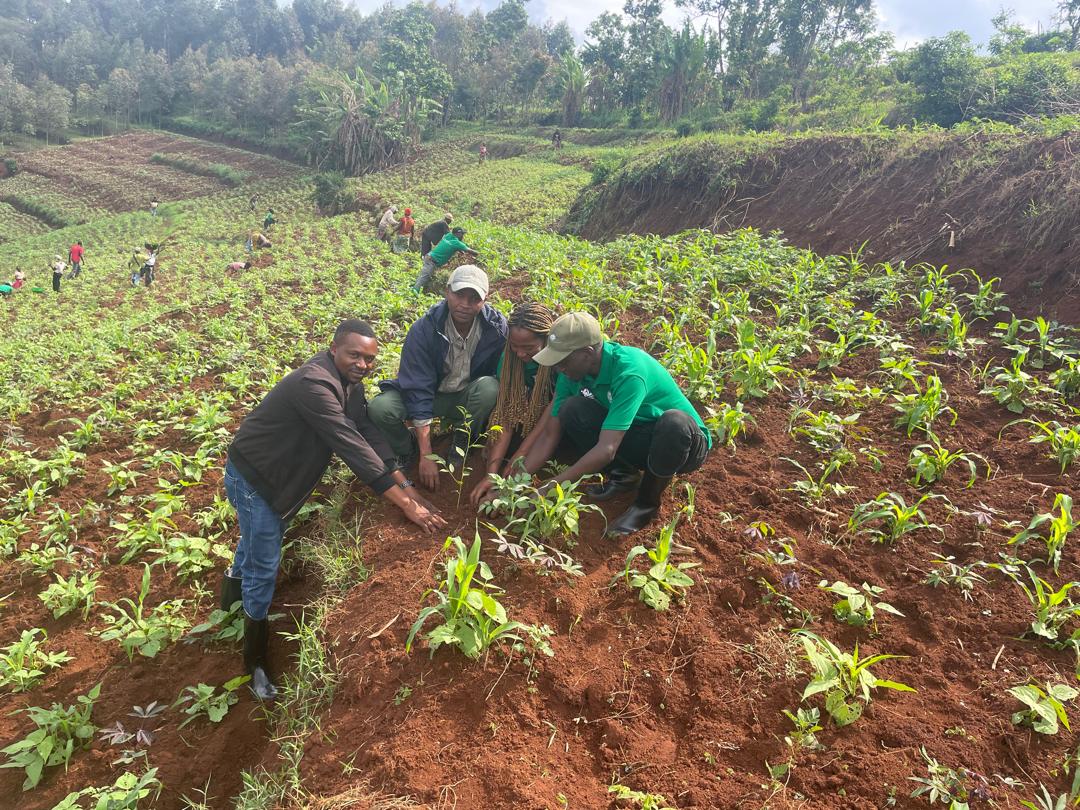 Growing Together for a Greener Future
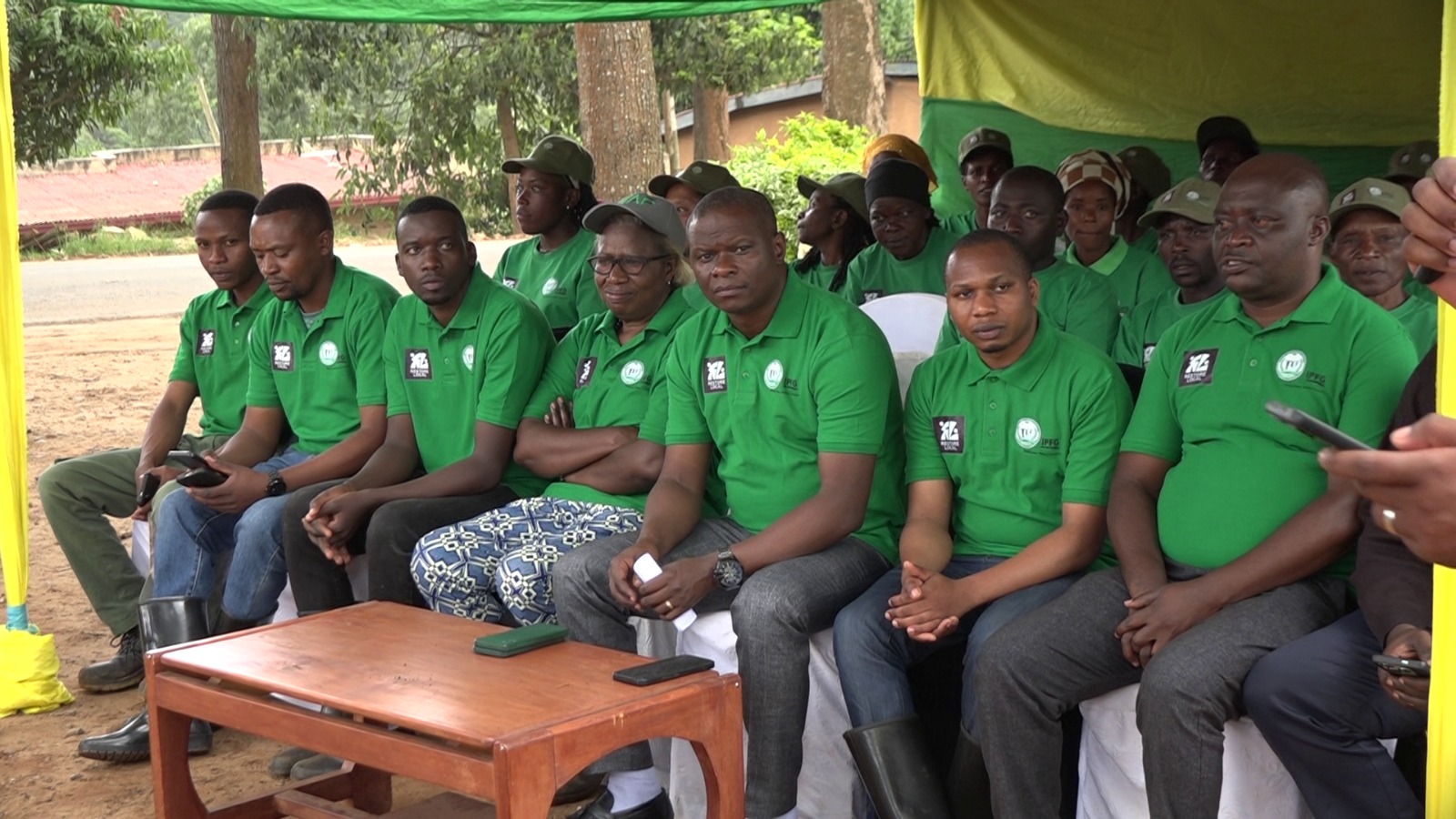 Working Together for a Better Tomorrow